The Incident Management Process: 8 Steps from First Report to Verified Closure
A practical incident-management workflow for capturing facts, investigating causes, assigning actions, verifying evidence, and learning across the organisation.

Connect reporting, investigation, corrective action, evidence, and closure.
An effective incident management process turns an initial report into controlled learning and verified change. It should be simple enough for people to follow under pressure and rigorous enough to preserve the decisions made afterward.
The eight steps below form a practical workflow for workplace safety teams.
Step 1: Make reporting easy and immediate
The first record is strongest when it is created while details are fresh. Give workers a clear route to report injuries, near misses, hazards, property damage, environmental events, or other concerns.
Capture the essentials first: what happened, when, where, who was involved, immediate consequences, and any action already taken. Additional questions can follow when the event is reviewed.
Use configurable incident reporting software to present relevant forms without making every reporter navigate the organisation's entire data model.
Step 2: Triage immediate risk and reporting duties
The first reviewer should determine whether urgent controls, medical support, scene preservation, escalation, or external notification may be required.
This is a decision point, not a checkbox. Software can surface the right questions and retain the answer, but a competent responsible person must make the judgement using current law, policy, and the facts available.
For Great Britain, the HSE explains which events may be reportable under RIDDOR. Internal reporting should capture a wider range of learning opportunities than statutory notification alone.
Step 3: Assign ownership and scope
Every record needs a visible owner for the next stage. The person may be an investigator, site manager, business-area manager, or another authorised role.
Assignment should respect operational scope. A user should not gain organisation-wide visibility simply because they are responsible for one site or one incident.
Step 4: Preserve evidence and establish facts
Collect relevant photographs, documents, equipment information, witness accounts, procedures, and timeline details. Keep evidence attached to the incident record so later reviewers can understand its context.
Good evidence handling includes clear ownership, controlled access, timestamps, and a record of what was added or changed.
Step 5: Investigate causes, not blame
The investigation should distinguish the event, immediate causes, contributing factors, and underlying organisational conditions.
OSHA advises investigators to look beyond conclusions such as carelessness or failure to follow a procedure and ask why those conditions existed. Its incident investigation guidance emphasises identifying systemic improvements and corrective actions.
Methods such as 5 Whys can help structure thinking, but the method is not the investigation. Evidence, competence, challenge, and human judgement remain essential.
Step 6: Create corrective actions that address findings
Each action should state:
- the required outcome
- one accountable owner
- a realistic due date
- the finding or cause it addresses
- the evidence needed for completion
- any approval or verification requirement
Weak actions such as “remind staff to be careful” rarely address the system that allowed the event. Strong actions change equipment, controls, procedures, competence, supervision, or another identified condition.
Step 7: Verify completion, not just status
Changing an action to complete is not the same as proving the change occurred. Review supporting evidence and confirm that the action delivered its intended outcome.
For higher-risk findings, consider whether closure should require an eligible approver who is independent of the person doing the work.
Step 8: Close, communicate, and learn
Closure should confirm that required investigation and actions are complete, evidence is retained, and any outstanding risk is understood.
Then use the record beyond the individual case. Review themes by site, incident type, overdue state, cause, severity, or repeated control failure. Share appropriate lessons with the people who report so they can see that speaking up leads to action.
Metrics that reveal process health
Useful measures include:
- time from event to initial report
- time from submission to triage
- investigation age and completion time
- open and overdue corrective actions
- action completion with supporting evidence
- repeat incidents or recurring causes
- reporting rates by site or business area
- near-miss reporting alongside harm events
Avoid treating a lower report count as proof of a safer workplace. It may also indicate low trust or a difficult reporting process.
Keep one connected record
The process becomes fragile when each step moves to a different system. A report in one database, evidence in email, investigation notes in a document, and actions in a spreadsheet make it difficult to establish ownership or reconstruct decisions.
CauseTrack keeps the workflow connected from workplace incident reporting through investigation and corrective action. Scoped permissions, operational lists, evidence, status controls, and audit history help teams maintain continuity without giving every participant the same access.
Final takeaway
Incident management is a chain. Reporting quality matters, but the outcome depends on every hand-off that follows.
Design the process so ownership, evidence, decisions, and open work remain visible from first report to verified closure.
Continue your evaluation
Use these resources to design and evaluate the complete incident lifecycle rather than a standalone reporting form.
Safety management software
Explore the connected operating model across incidents, risks, audits, and actions.
View pageIncident reporting software
See how structured reporting begins the wider management workflow.
View pagePricing
Compare current plans, operational seats, storage, and AI allowances.
View pageRelated reading
View all posts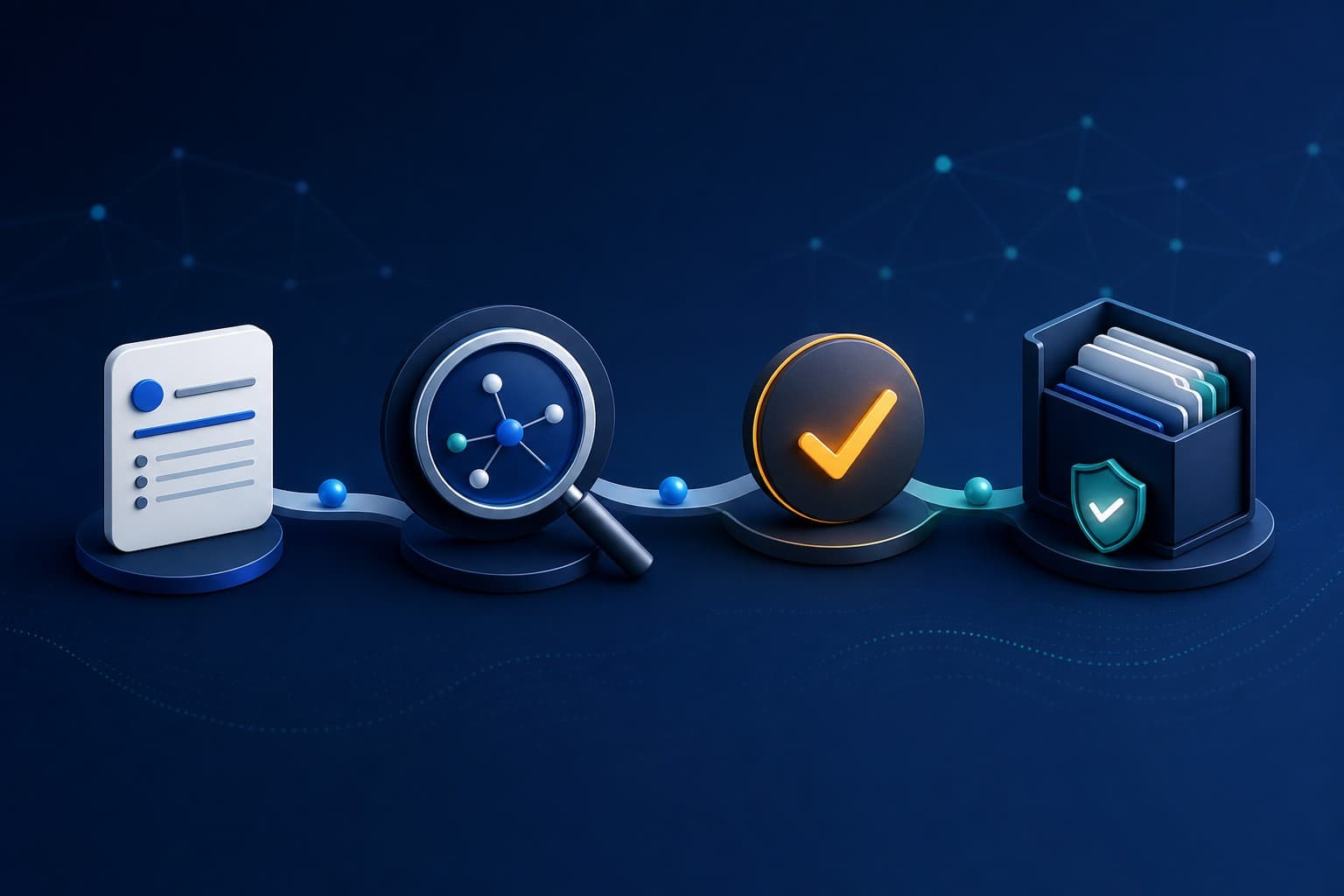

Turn reporting into a controlled workflow
Use CauseTrack to capture incidents, run investigations, and track corrective actions in one place.